


Activities for Adults With Learning Disabilities

For those with learning disabilities, engaging in basic and structured activities is very important for their social, emotional, and cognitive well-being. These activities can be great for their confidence, independence, and general quality of life, and fortunately, there are plenty which can be enjoyed both at home or at social clubs and day care centres.
This article will explore what these activities are and where they can be enjoyed, from baking at home to group outings to cafés and parks.
Activities at Home for Adults With Learning Disabilities

Although various service providers run day activities for adults with learning disabilities, many of the best activities are relatively simple for carers and can be enjoyed from the comfort of home. Some of the most common examples include:
Creative & Sensory Activities at Home
- Arts & Crafts
- Music & Dance
- Sensory Learning
There are many activities which can spark creativity and improve mindfulness at home. Simple yet fun tasks such as painting, drawing, or crafting can be a great way of expressing emotions while improving motor skills. For example, you could create puppets from old socks, make collages from newspapers and magazines, or try out handprint art.
Alternatively, music therapy - such as playing an instrument or listening to calming sounds - can provide relaxation and stimulation. Sensory-based learning through textured materials like rice or fabrics can offer a hands-on and calming experience.
Social & Technology Activities at Home
- Virtual Meetups & Video Calls
- Online Gaming
- Films & TV Shows
Staying socially connected is important, and technology can help with this. Video calls with friends and family allow for regular interaction, while social media groups provide a sense of community. Online games - whether cooperative or competitive - can be an engaging way to build communication skills and are ideal for those less able to get out and about. To relax, you can’t beat a good film or TV show marathon, which can now be enjoyed remotely with others to create a shared experience.
Life Skills & Educational Activities at Home
- Baking & Cooking
- Basic Money Management Activities
- Interactive Online Courses
Learning new skills at home can build confidence and independence for adults with learning disabilities. Simple cooking activities, such as baking cakes or making sandwiches, help improve kitchen skills. Basic money management exercises, like budgeting with play money or using a shopping list, can be a useful yet engaging task. Thirdly, many online learning platforms offer interactive courses on subjects like reading or maths at a comfortable pace.
Outdoor Activities at Home
- Gardening
- Short Local Walks
- Outdoor Sensory Spaces
There is a close link between spending time outside and greater mental and physical well-being. For example, gardening, whether planting flowers or growing vegetables, can be as rewarding as they are engaging. Alternatively, short walks in the local area provide fresh air and gentle exercise, and it won’t cost a single penny. You could even consider setting up a small outdoor sensory place that features wind chimes or a water feature for extra outdoor relaxation.
Community Activities for Adults With Learning Disabilities
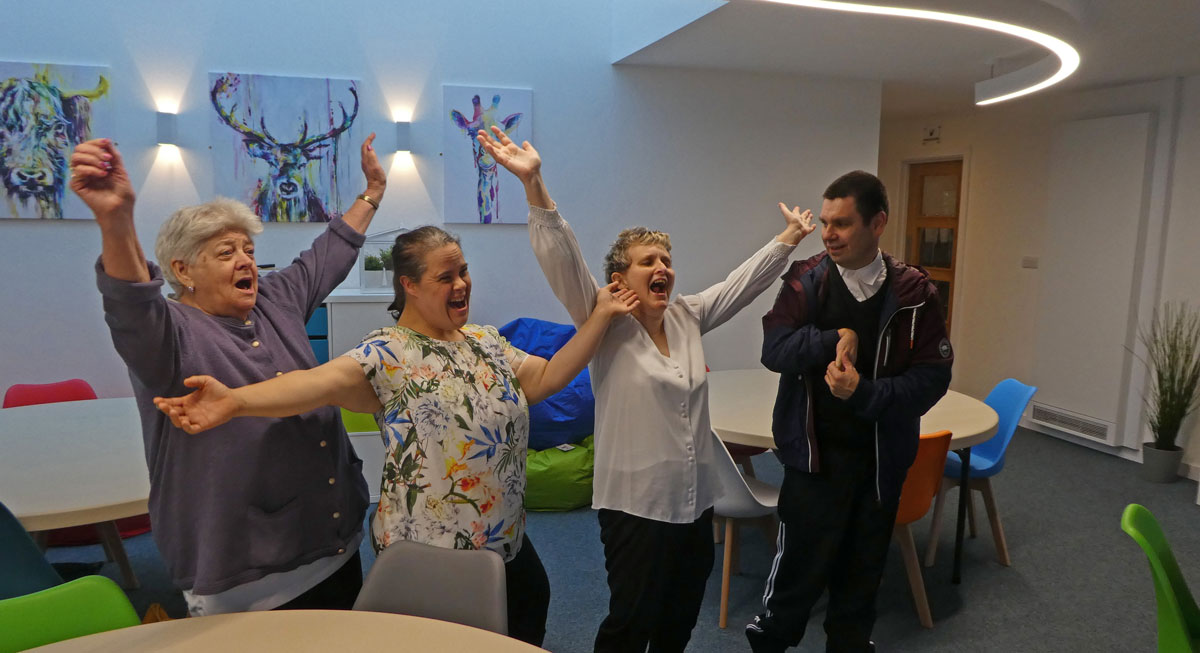
Not all fun activities have to be at home - there are many community activities run by charities, day care centres, and social groups for adults with learning disabilities. Let’s take a look at some to get involved with:
Social & Recreational Activities
- Group Outings
- Social Clubs
- Music Sessions
Many groups organise outings for adults with learning disabilities, offering a fun way to meet with like-minded individuals. These outings commonly include trips to museums, sports events, parks, and cafés, giving each person a chance to learn more about their interests whilst interacting with others. Alternatively, social clubs and organised music sessions can be great for socialising and mental stimulation, partaking in supported activities such as board games or karaoke.
Creative & Expressive Activities
- Arts & Crafts Workshops
- Drama & Theatre Groups
- Storytelling & Poetry Groups
Participating in arts and crafts workshops specifically for adults with learning disabilities can be a fun way to test creativity and interact with others. Many art-based charities support those with learning disabilities, such as Heart n Soul, so look out for upcoming events. Alternatively, drama and theatre groups can be an engaging experience, as are specific charity or day care-led workshops for storytelling and poetry.
Physical & Wellbeing Activities
- Group & Solo Adapted Sports
- Yoga & Relaxation Classes
- Social Gardening Sessions
Group and solo sports can be exciting for all, regardless of physical or learning disability. For example, adapted sports and physical activities, such as swimming, are regularly enjoyed by many adults with learning disabilities, improving both fitness and mental stimulation. For those who prefer something more therapeutic, look out for community-led yoga and relaxation classes, or even social gardening sessions.
Vocational & Work-Based Activities
- Volunteering Opportunities
- Supported Work Placements
- Skill-Building Workshops
Volunteering opportunities are often very fulfilling for adults with a learning disability, helping to give them a sense of purpose and improving self-esteem. There are many different activities to volunteer for, from helping out at nearby cafés, charities, and community centres, to getting involved with local litter-pick schemes. Supported work placements are also available to those with learning disabilities, as are skill-building workshops for work-based learning.
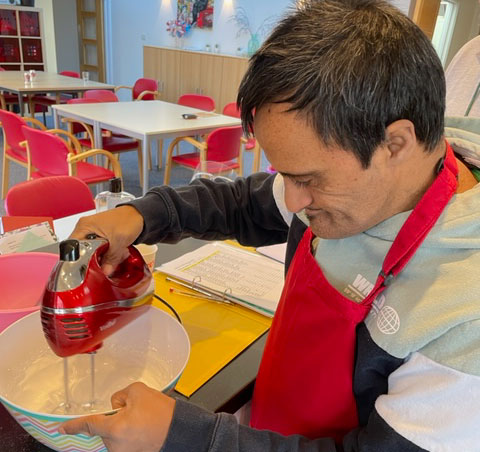
How Do Day Care Centres Help?
Adult day care centres are usually in the heart of the local community, meaning that for people with learning disabilities, there’s no better place to meet new people and engage in the fun activities spoken about so far. These centres create a safe and inclusive environment where individuals can develop their skills, build confidence, and improve their overall well-being.
One of the biggest benefits of day care centres is the variety of activities that are organised for participants. Although many of these are “in-house”, the trips out and about are often even more exciting - think ten-pin bowling, local wildlife parks, museums, and more! These activities aim to strike the perfect balance between having fun, socialising, and learning, helping every participant increase independence and reduce social isolation.
However, it's not just the clients who benefit from day care centres; carers can, too. These centres provide a much-needed respite break for carers, especially for those who care full-time, allowing them to focus on their own mental well-being. Respite care helps carers to rest and recharge, reduce stress, and properly relax, whilst the person they look after enjoys a social experience with others in a safe, enjoyable place.
Contact Our National Award-Winning Day Care Centre Today!
At The Princes Centre, our highly-trained team is dedicated to providing a service that is both safe and enjoyable for all involved. We cater for three separate groups of clients; elderly people, adults with mild or moderate learning disabilities, and those with mental health difficulties, tailoring each activity for every group.
If you care for someone with a learning disability, why not get in touch with us for a chat about how we can help? Our friendly team are always on hand to answer any queries you may have - simply give us a call at 01844 345105, or contact us online.
Latest News